
The Rise of the AI Influencer: How Virtual Personalities Are Changing Social Media
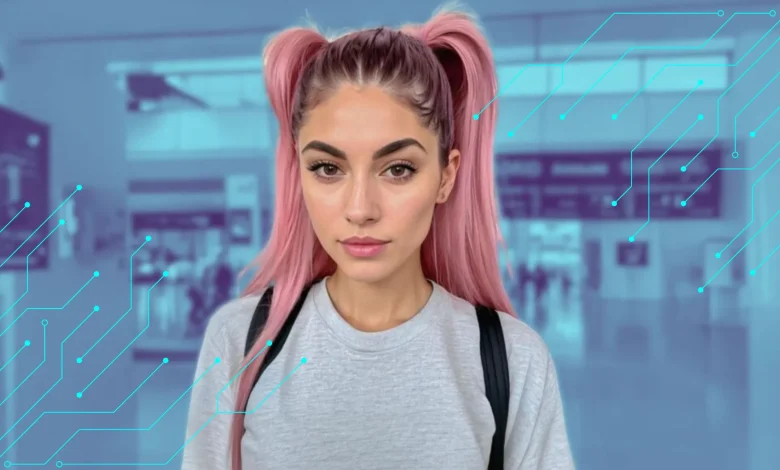
In a world increasingly defined by digital innovation, a new breed of influencer is rising—one that doesn’t eat, sleep, or breathe but still commands millions of followers online. They are AI influencers, virtual personalities created using artificial intelligence and digital animation, who are revolutionizing the way brands interact with audiences and how followers consume content. Once a futuristic idea reserved for sci-fi movies, AI influencers are now a very real and rapidly growing force in the influencer economy.
What Is an AI Influencer?
An AI influencer is a digital persona generated by artificial intelligence, typically combining 3D modeling, machine learning, and natural language processing to simulate human behavior, speech, and appearance. These virtual figures can look hyper-realistic or stylized, and they are often managed by creative teams or tech companies. Despite not being “real,” they interact with fans on platforms like Instagram, TikTok, and YouTube just like human influencers do—sharing lifestyle content, fashion tips, music, and even personal “thoughts.”
These influencers can post selfies, create vlogs, collaborate with brands, respond to comments, and maintain a personality that evolves over time. Some AI influencers are so advanced that it’s difficult to distinguish them from actual people.
The Evolution of Influencer Culture
The concept of the influencer isn’t new. Celebrities, athletes, and public figures have always influenced public opinion and consumer behavior. But with the advent of social media, the influencer landscape has democratized. Now, anyone with a smartphone and a compelling voice can build a loyal following.
AI influencers, however, add a completely new dimension to this space. They challenge the very definition of what it means to be influential. They aren’t bound by human limitations, schedules, or moods. Their content can be generated at scale, edited in real-time, and fine-tuned for maximum impact—something no human can consistently achieve.
This transition reflects a deeper societal shift. As AI continues to permeate daily life—from personalized shopping experiences to digital assistants—the emergence of AI influencers seems not just natural but inevitable.
Why Are AI Influencers So Popular?
Several key factors have contributed to the rapid rise of AI influencers:
1. Consistency and Control
AI influencers never have a bad day. Their creators can script every word, design every image, and carefully curate every message. This allows brands and content creators to maintain consistency and align messaging with marketing goals.
2. Creativity Without Limits
AI personalities can exist in any world—real or imagined. They can appear on the moon, under the sea, or at a high-end Paris fashion show without ever leaving the designer’s software. This opens up creative possibilities that traditional influencers can’t easily replicate.
3. No Scandals or Drama
Human influencers, despite their popularity, sometimes fall into controversies that damage their reputation and the brands associated with them. AI influencers, being controlled and programmable, can avoid these pitfalls entirely.
4. Gen Z and Alpha Appeal
Younger generations are digital natives. They’re more likely to embrace virtual entities, AI-generated art, and metaverse culture. For them, interacting with an AI influencer can be just as authentic as following a human creator.
Real-World Applications of AI Influencers
AI influencers are not just a marketing gimmick—they’re becoming an integral part of brand storytelling and consumer engagement strategies.
1. Fashion and Beauty
Many AI influencers serve as virtual models for fashion labels. They wear digital outfits, promote cosmetic products, and participate in virtual runway shows. Their perfect “skin,” tailored aesthetic, and aspirational lifestyle make them ideal brand ambassadors.
2. Music and Entertainment
Some AI influencers release their own music, host virtual concerts, and even star in digital films or TV series. With advanced AI, these personas can create original voiceovers and interact dynamically with fans.
3. Travel and Lifestyle
Even without setting foot outside, AI influencers can share travel diaries, “visit” famous landmarks, and promote tourism brands. Using CGI and location data, they produce lifelike travel content that inspires followers.
4. Social Impact
Interestingly, some AI influencers take on activism. They promote environmental awareness, social justice, and mental health. While their advocacy is scripted, it sparks real discussions and raises awareness among digital audiences.
The Technology Behind AI Influencers
Creating an AI influencer is no simple task. It involves the integration of several complex technologies:
-
3D Modeling and Animation: Artists use advanced design software to build realistic avatars.
-
AI and Machine Learning: These algorithms help the influencer respond intelligently to comments, analyze engagement, and adjust tone or behavior.
-
Natural Language Processing (NLP): Enables the virtual personality to “speak” with fluency and emotional nuance.
-
Augmented Reality (AR) and Deepfake Tools: These enhance realism and allow for integration into real-world environments or content.
Teams of developers, designers, writers, and marketers often work together to maintain a single AI influencer, making it a multidisciplinary effort.
Ethical Questions and Public Response
With the rise of AI influencers comes a wave of ethical and philosophical questions.
-
Authenticity: Can something that isn’t real still be considered authentic? Many users follow AI influencers knowing they are artificial, yet still form parasocial relationships with them.
-
Transparency: Should AI influencers disclose their artificial nature up front? While some are open about it, others blur the line between reality and fiction.
-
Job Displacement: Could AI influencers threaten the livelihood of human influencers? While they may complement existing influencers for now, they could potentially replace some roles in the future.
-
Data Usage and Privacy: Since AI influencers are managed by companies, there’s always the concern of how user interactions are tracked and used.
Despite these concerns, public reception remains largely positive, especially among younger audiences who prioritize entertainment and aesthetics over authenticity.
The Future of AI Influencers
The growth of AI influencers is not just a trend—it signals a transformative shift in how we perceive identity, creativity, and connection in the digital age. Here are a few predictions for the future:
1. Integration with the Metaverse
AI influencers will likely play major roles in virtual worlds, where users interact with them as guides, entertainers, or friends. These environments will blur the boundaries between digital and physical realities.
2. Hyper-Personalization
AI influencers might become interactive companions, tailoring their content based on user preferences, behavior, and even mood. Imagine an influencer that remembers your birthday, your favorite color, or the last thing you commented on.
3. Cross-Platform Experiences
Expect to see AI influencers moving seamlessly between platforms—social media, games, augmented reality, and even physical spaces via holograms or robotic embodiments.
4. Decentralized Ownership
With blockchain and NFTs, fans might one day own a piece of an AI influencer—owning shares in their brand, controlling story arcs, or creating spin-off characters.
Final Thoughts
The rise of AI influencers marks a new chapter in digital culture. These virtual personas, crafted from lines of code and pixels, are reshaping what it means to be “real” in an increasingly virtual world. Whether as fashion icons, musicians, educators, or activists, AI influencers are here to stay—and they’re only getting smarter.
As technology continues to evolve, so too will our understanding of identity and influence. In this new era, influence is no longer confined to humans. It can be programmed, designed, and scaled. The question is no longer “Can AI influencers succeed?”—it’s “How will we adapt to their success?”