
The Role of LED Module Suppliers in Sustainable Lighting Design
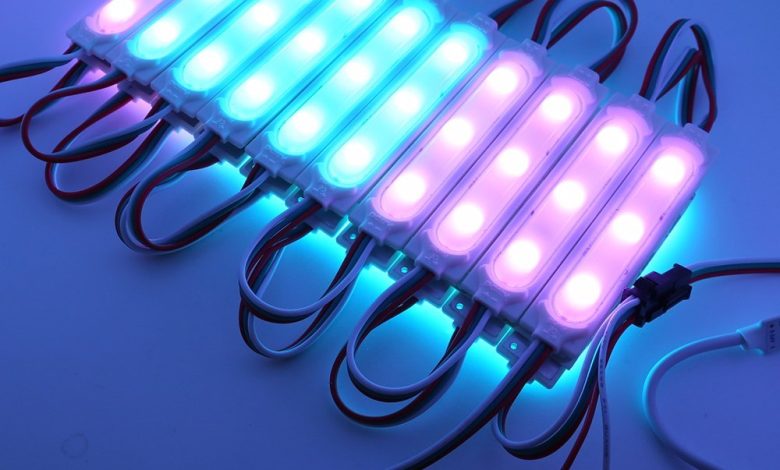
Sustainability is no longer a trend—it’s a necessity. As the world faces urgent challenges related to climate change, resource depletion, and environmental degradation, the lighting industry has stepped up with smarter, greener solutions. At the forefront of this shift are LED module suppliers playing a critical role in shaping the future of sustainable lighting design.
From minimizing energy consumption to maximizing product lifespan and recyclability, today’s LED module suppliers are helping architects, engineers, urban planners, and manufacturers achieve eco-friendly illumination without sacrificing quality or performance.
In this in-depth article, we explore the vital role LED module suppliers play in advancing sustainable lighting, how they support eco-design strategies, and why they are essential partners in building a greener future.
What Is Sustainable Lighting Design?
Sustainable lighting design involves creating lighting systems that:
-
Use minimal energy
-
Last longer than traditional lighting
-
Are made from non-toxic, recyclable materials
-
Integrate with smart control systems for efficiency
-
Reduce light pollution and environmental harm
The core goals are to reduce carbon footprint, lower operational costs, and protect natural ecosystems—all while meeting human lighting needs effectively.
Why LED Modules Are the Foundation of Sustainable Lighting
LED technology itself is inherently energy-efficient, consuming up to 80% less energy than incandescent or fluorescent lighting. But the LED module—the packaged unit that includes the light-emitting diodes on a circuit board—determines the overall performance, efficiency, and lifespan of the lighting system.
That’s where LED module suppliers come in. Their innovations directly impact a project’s ability to meet sustainability standards and certifications like LEED, WELL, BREEAM, and Energy Star.
1. Energy Efficiency Starts with the Module
✅ High Lumen-per-Watt Ratios
Top LED module suppliers are constantly improving luminous efficacy, meaning you get more light output per unit of energy. Modern modules deliver:
-
150–200+ lumens per watt (lm/W)
-
Reduced power draw for the same brightness
-
Lower utility bills and less strain on power grids
✅ Dimming and Adaptive Controls
Advanced LED modules are compatible with:
-
0–10V, DALI, or TRIAC dimming systems
-
Motion and daylight sensors
-
Smart IoT platforms (Zigbee, Wi-Fi, Bluetooth)
This enables dynamic lighting that adjusts based on occupancy, time of day, or ambient conditions—significantly reducing wasted energy.
Supplier Innovation Example: Bridgelux’s Thrive series replicates daylight and supports circadian lighting with dim-to-warm capabilities for minimal energy usage at night.
2. Extended Lifespan = Less Waste
✅ Durable, Long-Lasting Modules
LED module suppliers focus on robust thermal management and premium chip selection to deliver modules with lifespans of:
-
50,000 to 100,000 hours
-
5–10+ years of maintenance-free operation
Longer lifespan = fewer replacements, reduced waste, and lower maintenance carbon emissions (especially in large-scale infrastructure like street lighting or commercial buildings).
✅ LM-80 & TM-21 Compliance
Reputable suppliers test their modules according to IES LM-80 and TM-21 standards, ensuring minimal lumen depreciation over time and consistent performance.
Result: Lighting systems remain efficient and visually consistent throughout their service life, reducing the need for over-lighting or premature replacement.
3. Eco-Friendly Materials and Manufacturing
✅ RoHS and REACH Compliance
Leading LED module suppliers ensure their products are:
-
RoHS-compliant (free from lead, mercury, cadmium)
-
REACH-compliant (low on hazardous substances)
-
Safe for recycling and landfill disposal
✅ Low-Carbon Manufacturing
Some manufacturers invest in:
-
Renewable energy-powered production facilities
-
Zero-waste policies in PCB and module fabrication
-
Closed-loop systems for water and chemical use
Global Example: Nichia and OSRAM have committed to carbon-neutral operations and sustainable LED module production practices by 2030.
4. Modular, Repairable, and Upgradable Designs
Sustainability isn’t just about energy—it’s about longevity and adaptability.
✅ Modular Architecture
LED module suppliers now offer:
-
Easily replaceable light engines or modules
-
Standardized form factors (Zhaga Book 7, 11, etc.)
-
Separate driver + light source systems
This reduces e-waste and allows for field repairs rather than full fixture replacements.
✅ Future-Proofing via Upgradability
Suppliers are designing modules that can:
-
Integrate with future smart platforms
-
Be updated via firmware or hardware plug-ins
-
Allow OEMs to replace light sources without scrapping fixtures
Result: Extended product lifecycle and lower material consumption.
5. Support for Smart and Adaptive Lighting Systems
LED module suppliers play a major role in enabling intelligent lighting control, which dramatically improves sustainability outcomes.
✅ Sensor Integration
Modules can be equipped or paired with:
-
PIR motion detectors
-
Daylight harvesting sensors
-
Proximity or usage analytics
✅ Network Connectivity
Suppliers support smart protocols like:
-
DALI-2
-
Bluetooth Mesh
-
Zigbee or Matter
-
PoE (Power over Ethernet)
This connectivity allows lighting to be:
-
Scheduled for off-hours
-
Dimmed in unused spaces
-
Controlled remotely for energy optimization
Use Case: A smart office building with 1,000 LED fixtures equipped with motion sensors can reduce lighting energy consumption by 30–50% compared to static systems.
6. Helping Clients Achieve Green Building Certifications
Many sustainable building certifications award points for efficient lighting. LED module suppliers support this by offering:
-
High-efficacy modules that exceed LEED requirements
-
Circadian-friendly light outputs for WELL certification
-
Documentation and test reports for compliance audits
Suppliers often work with architects and lighting designers to:
-
Optimize lumen layouts
-
Balance daylight with artificial light
-
Minimize energy density (watts/square meter)
Example: Projects that use L90-rated LED modules (maintaining 90% brightness at 50,000 hours) can receive higher LEED energy optimization scores.
7. Reducing Light Pollution and Glare
LED module suppliers now integrate optical engineering to minimize:
-
Uplight (reduces skyglow)
-
Spill light into natural habitats
-
Glare for pedestrians and drivers
Features include:
-
Asymmetric optics for precise light distribution
-
Cutoff angles and shields
-
Low-glare diffusers
This is essential for:
-
Dark sky compliance
-
Wildlife-sensitive areas (e.g., coastal developments)
-
Energy-efficient urban lighting
8. Sustainability Through Customization
No two projects are alike—and standard lighting often leads to over-lighting or energy waste.
LED module suppliers enable:
-
Tailored lumen outputs for exact design needs
-
CCT matching for architectural requirements
-
Custom form factors to fit existing infrastructure
-
Driver integration to optimize power draw
This “just enough” approach avoids unnecessary material, power, and emissions.
9. Circular Economy Support
Some forward-thinking suppliers are partnering with OEMs to create closed-loop lighting systems where:
-
Fixtures are designed for disassembly
-
Modules are returned, refurbished, or recycled
-
Materials are remanufactured into new products
These practices align with circular economy principles, reducing the demand for virgin materials and minimizing landfill waste.
10. Transparent Supply Chains and ESG Reporting
To meet the demands of sustainability-conscious clients and investors, suppliers provide:
-
Environmental Product Declarations (EPDs)
-
Life Cycle Assessments (LCAs)
-
Carbon footprint audits
-
Ethical sourcing reports
These documents help brands and contractors meet Environmental, Social, and Governance (ESG) goals and gain competitive advantages in eco-focused markets.
Top LED Module Suppliers Leading in Sustainability
| Supplier | Sustainability Highlights |
|---|---|
| Nichia | Low-carbon production, long-life phosphors, UV-C disinfection LEDs |
| Cree LED | High-efficiency modules, long-term reliability, recyclable materials |
| Bridgelux | Thrive series for human-centric and energy-optimized lighting |
| Seoul Semiconductor | No harmful substances, zero-flicker LEDs, solar-compatible modules |
| LUXTECH | Custom modules for LEED-certified buildings, recyclable PCBs |
| Signify (Philips) | Climate-neutral lighting production, circular product design |
Conclusion: LED Module Suppliers Are Pioneers of Sustainable Lighting
The lighting industry is evolving toward efficiency, intelligence, and responsibility. At the heart of that evolution are LED module suppliers who are redefining how we source, use, and dispose of light.
From engineering ultra-efficient modules to enabling smart city systems, from reducing material waste to powering LEED-certified buildings—LED module suppliers are not just vendors, they are sustainability partners.
As cities grow, regulations tighten, and consumers demand greener solutions, working with an environmentally conscious LED module supplier will not only reduce your carbon footprint—it will also future-proof your brand and business.